
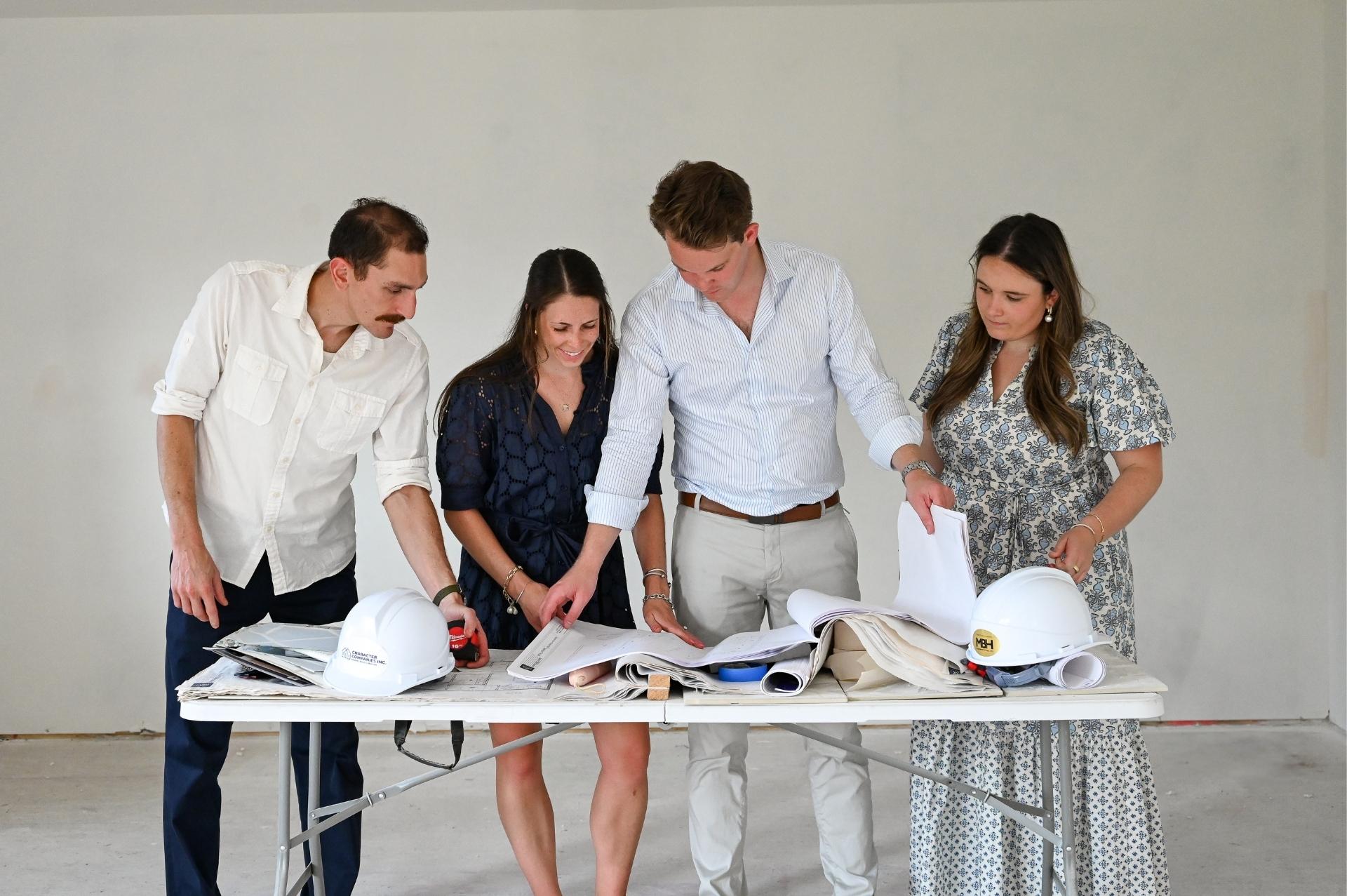
Permitting Process for Building a Custom Home in Virginia
Building a custom home in Virginia is exciting, but before construction even begins, you have to go through the permitting process. This step is critical because it ensures your home is safe, legal, and compliant with local regulations. Working with an experienced builder like Character Companies can make a huge difference, since they guide homeowners through everything from lot evaluation to permitting and construction.
In Northern Virginia especially, permitting can be complex due to strict zoning laws, environmental requirements, and county-specific rules. Understanding the process ahead of time helps you avoid delays and costly mistakes.
Understanding Virginia’s Permitting System
Virginia does not have a single statewide permitting process for custom homes. Instead, permits are handled at the local level by counties and cities like Arlington, Fairfax, and Alexandria. Each jurisdiction has its own requirements, timelines, and approval processes.
That said, most areas follow a similar structure. You will need approvals related to zoning, building, utilities, and inspections before and during construction. These permits confirm that your project meets safety codes, land use rules, and environmental standards.
Because local rules vary, working with a builder who understands the specific county you’re building in is key. Character Companies, for example, has deep experience in Alexandria and Arlington, helping homeowners navigate these local requirements efficiently.
Step 1: Zoning Approval
Before you can apply for a building permit, you need to confirm that your lot is zoned for residential construction. Zoning determines what you can build, including:
- Lot size and setbacks
- Height restrictions
- Floor area ratio (FAR)
- Usage limitations
If your plans don’t meet zoning requirements, you may need a variance or special exception, which can add time to your project.
This step is where many delays happen. A knowledgeable builder will evaluate your lot early and flag any potential zoning issues before you invest in full design plans.
Step 2: Site Plan and Land Evaluation
Once zoning is confirmed, the next step is preparing a site plan. This includes a detailed layout of your property showing the home placement, driveway, drainage, and utilities.
In Virginia, site plans often require additional considerations like:
- Stormwater management
- Tree preservation
- Chesapeake Bay or environmental restrictions
- Soil testing and grading
If you are building on raw land, this phase can take longer due to surveys and engineering reports.
Builders like Character Companies often help identify and evaluate lots before purchase, ensuring the property can actually support your vision without major permitting obstacles.
Step 3: Building Permit Application
After zoning and site planning are approved, you can submit your building permit application. This is one of the most important steps in the process.
Local building departments review these documents to ensure your home meets Virginia’s building codes. If anything is missing or incorrect, they will request revisions, which can extend your timeline.
Approval timelines vary, but in Northern Virginia, it can take anywhere from a few weeks to several months depending on the complexity of the project.
Step 4: Additional Permits
In addition to the main building permit, you may need several supporting permits depending on your property and design.
Common additional permits include:
- Electrical permit
- Plumbing permit
- Mechanical (HVAC) permit
- Septic or well permit (for rural properties)
- Driveway or right-of-way permit
Each of these ensures that specific systems in your home meet safety and regulatory standards. These permits are often submitted alongside or shortly after the main building permit.
Step 5: Plan Review and Revisions
Once your permit is submitted, the local jurisdiction will conduct a plan review. It’s common for reviewers to request changes or clarifications. This is not a bad thing. It is simply part of the process to ensure compliance.
Having a design-build firm that manages both design and construction can speed this up significantly. Character Companies, for example, handle everything under one roof, which helps streamline communication and approvals.
Step 6: Permit Approval and Issuance
Once your plans are approved, the jurisdiction will issue your building permit. At this point, you are legally allowed to begin construction.
Keep in mind that permits usually come with conditions, such as required inspections at different stages of the build. You must follow these requirements to avoid delays or penalties.
Step 7: Inspections During Construction
Permitting doesn’t stop once construction begins. Throughout the build, your home will need to pass several inspections to ensure everything is done correctly.
Each inspection must be approved before moving on to the next phase. If something fails, corrections must be made before continuing.
An experienced builder will coordinate these inspections and make sure everything stays on schedule.
Step 8: Final Approval and Certificate of Occupancy
After construction is complete and all inspections are passed, the final step is obtaining a Certificate of Occupancy (CO).
This document confirms that your home is safe to live in and meets all building codes and regulations. Without it, you legally cannot move into your home.
Once the CO is issued, your custom home is officially complete.
How Long Does the Permitting Process Take in Virginia?
The timeline for permitting varies depending on location, project complexity, and how prepared your plans are.
Here’s a general breakdown:
Zoning and site planning: 2–8 weeks
Permit review and approval: 4–12+ weeks
Revisions and resubmissions: varies
In total, the permitting process can take anywhere from 2 to 6 months, sometimes longer in high-demand areas like Northern Virginia.
Working with a builder who understands the process can significantly reduce delays.
Why Working with the Right Builder Matters
Permitting is one of the most technical and time-sensitive parts of building a custom home. Mistakes can lead to delays, added costs, and frustration.
That’s why many homeowners choose a design-build firm like Character Companies. They don’t just build homes. They guide you through the entire process, from evaluating your lot to securing permits and completing construction with precision and craftsmanship.
Their local expertise in Alexandria, Arlington, and surrounding areas allows them to anticipate challenges and keep your project moving forward.
Final Thoughts
The permitting process for building a custom home in Virginia can feel overwhelming, but it is a necessary step to ensure your home is built safely and legally. From zoning approvals to final inspections, each phase plays a critical role in your project’s success.
With the right builder by your side, the process becomes much more manageable. If you’re planning to build in Northern Virginia, working with a team like Character Companies can help you navigate permits, avoid delays, and bring your vision to life with confidence. Contact us today to get started!