
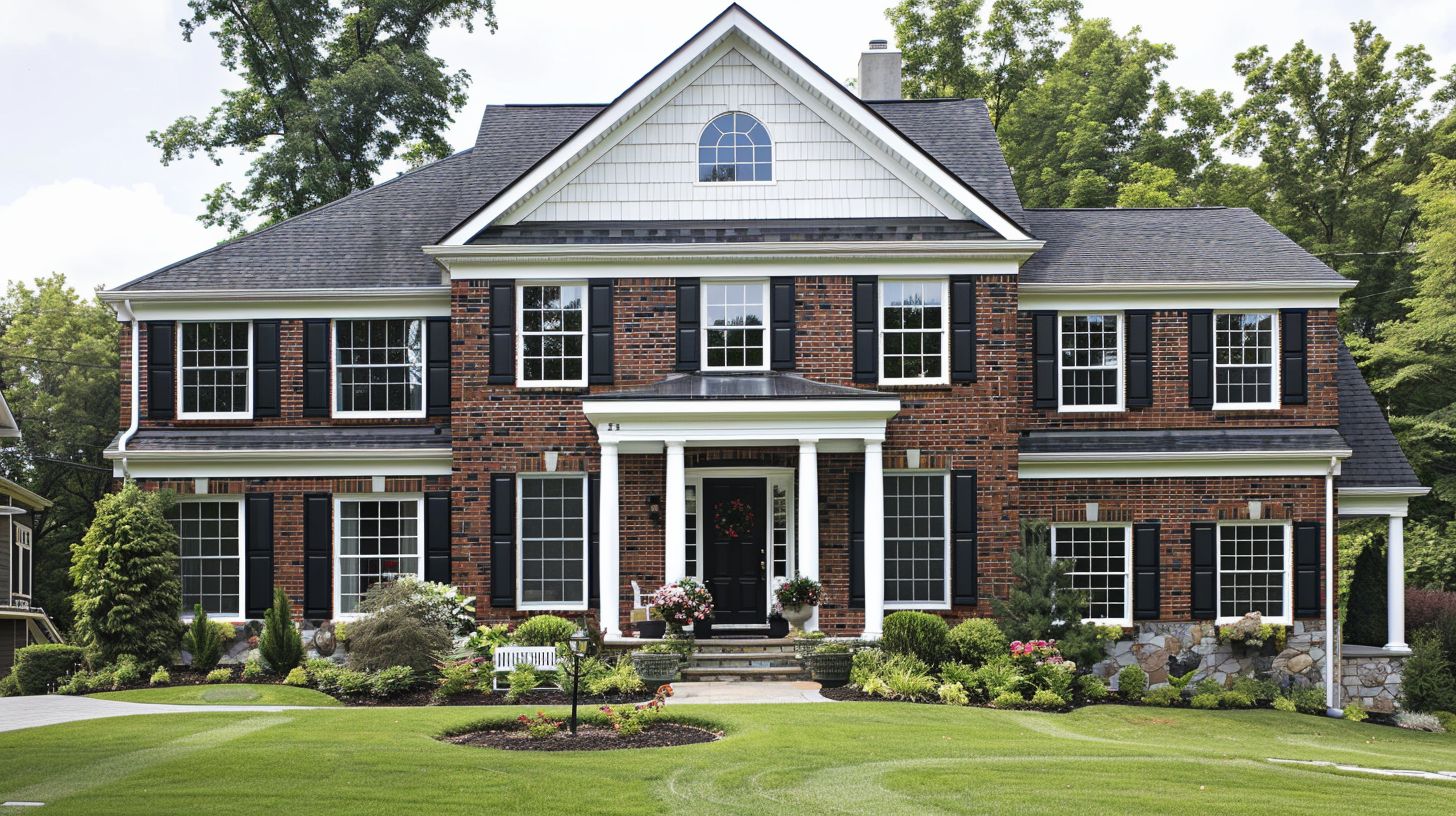
How Much Does It Cost to Build a Custom Home in Virginia?
As a realistic current benchmark, custom home construction in Virginia typically falls between $650,000 and $1,000,000 or more for many projects, while larger or more architecturally complex homes can easily exceed $1.5 million once all components are included. These figures may seem high at first glance, but they reflect the true investment required for custom design, skilled craftsmanship, premium materials, engineering coordination, and the extended planning timeline that fully bespoke homes demand.
What Defines a “Custom Home”?
A custom home is not simply a larger or upgraded version of a standard production house. The difference lies in how the home is conceived, designed, and executed from the ground up. Unlike production or semi-custom builds, a true custom home begins with a blank slate. The floor plan, structural systems, elevations, and interior finishes are created specifically for the homeowner rather than adapted from an existing template. That flexibility is what makes custom homes so appealing—but it is also what makes them more complex and resource-intensive to build.
Custom homes require significantly more design time before construction begins. Homeowners typically collaborate closely with architects or designers to refine layouts, ceiling heights, structural spans, window placement, and architectural detailing. This upfront design process ensures the home feels intentional and tailored, but it also adds professional fees, revisions, and engineering coordination that production homes do not require.
Most custom homes include a fully original floor plan built around lifestyle needs, architectural input beyond stock plans, distinctive structural elements such as expansive window walls or multi-story living spaces, higher-end interior and exterior materials used consistently throughout, and specialized trades for millwork, tile, and detailed finish carpentry. Because each project is effectively a one-off build, contractors lose the efficiency advantages that streamline large-scale production construction. Materials are ordered in smaller quantities, trades spend more time onsite, and timelines extend to accommodate customization.
It is also important to note that published construction budgets typically reflect build costs only. Land acquisition, significant site preparation, architectural and engineering services, and utility extensions can add substantial additional investment depending on the lot and jurisdiction.
Regional Differences Across Virginia
Location plays a major role in determining the final budget of a custom home. Labor markets, zoning rules, permitting processes, and land constraints vary widely across Virginia.
In Northern Virginia, custom home construction is among the most expensive in the state. High labor demand, strict regulatory oversight, teardown scenarios, and limited buildable land all contribute to elevated project totals. Markets such as McLean and Arlington often involve architectural review standards and tight lot conditions that increase both design and construction complexity.
Central Virginia, including the Richmond metro area, can offer comparatively more flexibility, though custom homes here still require a significant investment. Projects in this region often balance thoughtful architectural planning with selective upgrades, allowing homeowners to achieve a personalized result without pursuing ultra-luxury finishes throughout.
Coastal and waterfront areas introduce entirely different cost variables. Wind-load engineering, floodplain requirements, corrosion-resistant materials, and elevated foundation systems all increase structural demands. Even before finishes are selected, these environmental requirements can add meaningful complexity to a project’s engineering and build process.
Where the Investment Goes in a Custom Home
Understanding how a custom home budget is distributed helps explain why totals escalate quickly.
Structural and core systems represent one of the largest portions of any custom home build. This category includes foundation and excavation work, framing and roof structure, exterior cladding, windows and doors, and the complete plumbing, electrical, and HVAC systems. These components form the backbone of the home and must meet both structural engineering standards and modern energy requirements.
Interior finishes are often the most visible and emotionally driven portion of the budget. Custom cabinetry, natural stone surfaces, specialty flooring, detailed trim work, and high-end appliances can significantly increase overall investment without changing the home’s footprint. Finish selections are typically the largest variable in the entire project and can shift the final number substantially depending on the level of customization.
Architectural and soft costs must also be accounted for early in planning. These include architectural design services, structural engineering, permitting and inspections, energy compliance, and builder overhead. Because custom homes require far more design and coordination upfront than standard builds, these professional services represent a meaningful portion of the total project budget.
Why Custom Homes Vary So Widely in Price
Two homes with similar square footage can differ dramatically in total cost based on design decisions and site conditions. Roof complexity, ceiling heights, window quantity, bathroom count, kitchen layout, appliance packages, site access, and local labor availability all influence the final outcome. For that reason, early ballpark figures should be treated as planning references rather than guarantees.
A Smart Planning Strategy
If you are budgeting for a custom home in Virginia, a conservative planning approach reduces financial stress later. Begin with a realistic overall investment range based on your region and desired level of finish. Separate land acquisition, site work, and construction costs during early budgeting to avoid underestimating the full scope. Include a contingency reserve, particularly if the design is still evolving. Most importantly, involve a qualified custom builder early in the process so preliminary pricing aligns with your architectural vision from the outset.
Build With Character Homes
If you are planning to build a custom home in Virginia and want transparent guidance, thoughtful design collaboration, and a team that understands the realities of custom construction, Character Homes is a strong partner to consider. Character Homes specializes in custom and semi-custom residences designed around your land, your goals, and your long-term vision. Their team works closely with homeowners during pre-construction to establish clear expectations early—so design ambition and financial clarity remain aligned from concept through completion.