
Do You Need Permits to Build on Your Lot in Prince William County?
Building a custom home on your own lot gives you the opportunity to create a home around your property, lifestyle, and long-term goals. In Prince William County, Virginia, however, construction cannot begin simply because you already own the land. A new custom home must go through county zoning, plan review, permitting, inspections, and other applicable development approvals before you can move in.
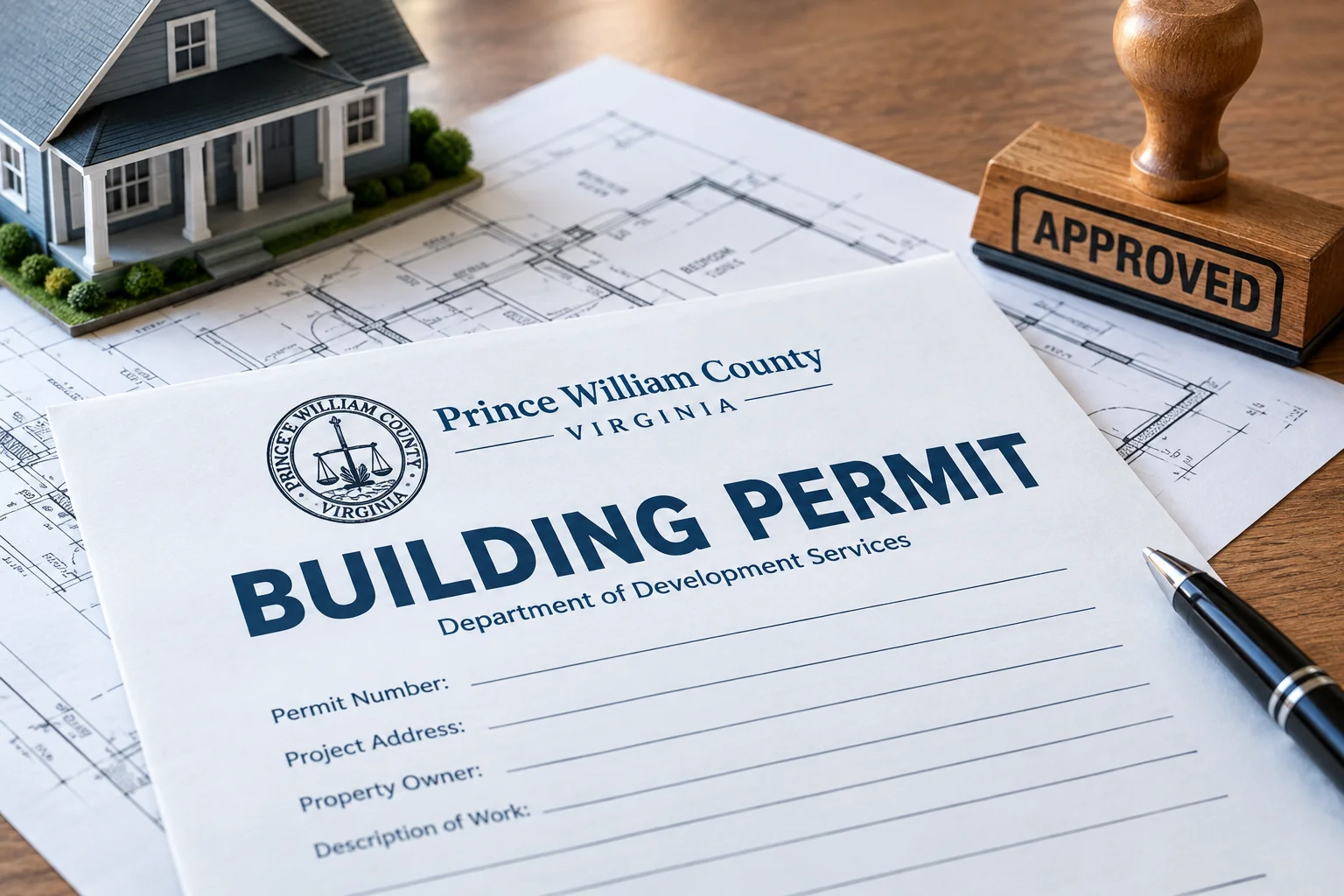
So, do you need permits to build on your lot in Prince William County? Yes. Prince William County requires permits for new construction, and zoning approval is required before constructing a new building or structure. Depending on the property and the features included in your home, you may also need electrical, plumbing, mechanical, gas, site development, and other approvals.
For homeowners considering a build-on-your-lot project, understanding these requirements early can make the process much easier. Character Companies works with Northern Virginia homeowners to create custom homes that complement both the property and the people who will live there. Here is what you should know before building on your lot in Prince William County.
Start by Determining What You Can Build on Your Property
Before designing your custom home, it is important to understand what your specific property can accommodate. Owning a lot does not necessarily mean you can build any size or style of home anywhere on the property.
Prince William County zoning requirements can affect how the land is used and where structures can be located. The county notes that setback requirements depend on factors including the property’s zoning district, lot size, and the type of structure being proposed. Property owners can use the County Mapper to research information such as their zoning district and potential development restrictions.
This makes lot evaluation an important first step in the custom homebuilding process. Before Character Companies begin developing a home around your vision, the property itself needs to be considered. Lot dimensions, topography, access, utilities, setbacks, environmental conditions, and other site characteristics can all influence the eventual design.
A thoughtful build-on-your-lot project should make the house work with the land rather than trying to force a predetermined design onto a property that may not support it.
Zoning Approval Is Required for a New Home
One of the most important approvals for a Prince William County build-on-your-lot project is zoning approval.
Prince William County states that zoning approval is required before constructing any new structure or building or beginning a new use on a property. The Zoning Administrator or a designee issues approval after determining that the proposal complies with the county’s Zoning Ordinance.
Zoning review helps determine whether your proposed home is appropriate for the property. The location and size of the home must comply with applicable requirements such as setbacks and other lot-specific restrictions.
This is one reason Character Companies encourages homeowners to think about the property and home design together. The best custom home is not only designed around your wish list. It is designed around what makes sense for the land and what can ultimately receive the necessary approvals.
You Will Need a Residential Building Permit
After the appropriate plans and approvals are in place, the new home itself requires a residential building permit.
Prince William County’s Building Development Division handles the review and permitting process for new residential construction. Building plans are required to be submitted electronically through the county’s ePortal system.
The building permit process allows the county to review the home’s construction documents for compliance with applicable building codes and safety standards. As of January 18, 2025, Prince William County requires construction permit applications to comply with the 2021 Virginia Uniform Statewide Building Code, or VUSBC.
For a custom home, this means the design needs to move beyond architectural ideas and become a complete set of construction documents capable of meeting county requirements.
Your Home May Require Several Different Permits
The “building permit” is only one part of the permitting process for a new custom home.
Prince William County explains that, depending on the features included in the house, new residential construction can require a building permit, electrical permit, mechanical permit, plumbing permit, and potentially a gas permit. Additional permits or approvals may also be required depending on the project.
For example, a custom home with gas appliances or a gas fireplace can have different permitting needs than an all-electric home. Electrical, HVAC, plumbing, and other major systems must be properly installed and inspected as construction progresses.
For homeowners, coordinating these different requirements can feel overwhelming. Working with an experienced custom home builder helps create a more organized process because the permitting requirements can be incorporated into the overall construction schedule rather than treated as an afterthought.
Site Conditions Can Affect the Approval Process
The home itself is only one part of a build-on-your-lot project. Prince William County also needs to consider what happens to the land during and after construction.
Grading, drainage, erosion control, driveway access, utilities, and other site conditions may affect the approvals needed for your property. Depending on the scope and characteristics of the project, land development requirements may become part of the process.
Prince William County’s overall land development process can include final site or subdivision plans, performance bonds or escrows, site development or site preparation permits, zoning approvals, building permits, inspections, and ultimately a certificate of occupancy. The county emphasizes that not every step applies to every project because requirements vary based on the proposal.
For certain projects requiring an approved final site or subdivision plan, a site development or site preparation permit may also be necessary before work proceeds.
Understanding the land early allows Character Companies and the professionals involved in your project to anticipate potential challenges before construction is underway.
What If Your Lot Has Well and Septic?
Not every property in Prince William County is connected to public water and sewer. If you are building on a more rural or larger residential property, your home may depend on a private well, septic system, or both.
These conditions can add additional reviews and coordination to the project. In its residential plan review requirements, Prince William County asks applicants to indicate whether a property uses public or private water and sewer.
Where the septic system, reserve area, well, driveway, house, and other improvements can be positioned may influence the home’s placement on the lot. That is why it is important to understand utility conditions before becoming too attached to a particular home layout.
Character Companies can approach the design with these site considerations in mind, helping ensure that the home’s layout and placement make sense for the property as a whole.
Do You Need a Survey or Site Plan?
Property documentation is another important component of the permitting process.
Prince William County notes that a House Location Survey Plat showing property improvements and their distances from property lines is required with many residential permit applications.
The exact documentation required for a new custom home will depend on the project and property. More complicated sites may require additional engineering or land development documentation.
These plans help county reviewers understand where the home and related improvements will sit in relation to property boundaries, setbacks, easements, utilities, drainage features, and other conditions.
For homeowners, this is another reason to begin with the property rather than immediately choosing a floor plan. The site helps establish the parameters within which the custom home can be designed.
How Long Does the Permit Process Take?
There is no single permitting timeline that applies to every custom home in Prince William County. The complexity of the home, completeness of the plans, property conditions, required approvals, and revisions requested during review can all affect the schedule.
Prince William County notes that building permit review for complex projects typically takes approximately six to eight weeks, although that should not be interpreted as a guaranteed timeline for an entire new-home approval process.
A custom home may require work and approvals before the building permit review even begins. Zoning, site engineering, grading, utility coordination, and other issues can add time to the preconstruction phase.
Starting these conversations early is one of the best ways to establish realistic expectations.
Inspections Continue Throughout Construction
Receiving your permits does not mean county involvement is finished. New homes require inspections throughout construction.
Prince William County explains that building inspections take place at different stages to confirm that construction complies with applicable building code requirements. Depending on the project, inspections may also involve the Health Department, Prince William Water, or site-related authorities.
Inspections may occur as the home progresses through its foundation, framing, mechanical, electrical, plumbing, insulation, and other construction phases.
These inspections are an important part of building a safe, code-compliant home and need to be incorporated into the construction schedule.
You Need Final Approval Before Moving Into the Home
The final step is receiving approval to occupy the completed house.
Prince William County states that a final occupancy permit can be issued after required inspections have been successfully completed and outstanding fees have been paid. Depending on the property, this can involve building, site, utility, and Health Department requirements.
Only after the required approvals are complete is the home ready for occupancy.
For a homeowner, this highlights why permitting should never be viewed as one isolated step at the beginning of construction. It is a process that begins during planning and continues until the custom home is complete.
Work With Character Companies to Build on Your Lot in Prince William County
Building on your own lot in Prince William County gives you the freedom to create something that a typical production home cannot offer: a home designed specifically around your family, your property, and the way you want to live.
However, that freedom also comes with important planning responsibilities. Zoning requirements, building permits, site conditions, construction documents, trade permits, inspections, and final occupancy approval all need to be considered before you can turn an empty lot into a finished home.
Character Companies builds custom legacy homes throughout Northern Virginia with a focus on thoughtful design, craftsmanship, and homes that feel connected to their surroundings. Instead of simply choosing a standard house and placing it on your property, the process considers how your vision can work with the unique characteristics of your land.
Contact Character Companies to discuss your property, your goals, and the next steps for bringing your custom home to life.